The Yarrow Stalks and the Coins – Two Traditional Methods for Consulting the I Ching#
The process of consulting the I Ching, and indeed any oracle, involves chance – something that does not depend on our conscious intention. There are two traditional methods of chance for I Ching consultation: one with yarrow stalks, and the other with the toss of three coins.
The yarrow plant (Achillea millefolium) was used in the I Ching oracle mainly because of its availability, durability, and ritual symbolism, although it was not the only botanical option in ancient times. It was a fairly common plant, easy to find near sacred sites. Its stalks were sturdy when dried, allowing the fifty rods needed for the ritual to be preserved over long periods. Moreover, according to traditional Chinese cosmology, it was considered a sacred plant that embodied the qi (vital force) of nature; it was believed that using locally harvested stalks connected the diviner with the specific energies of their environment.
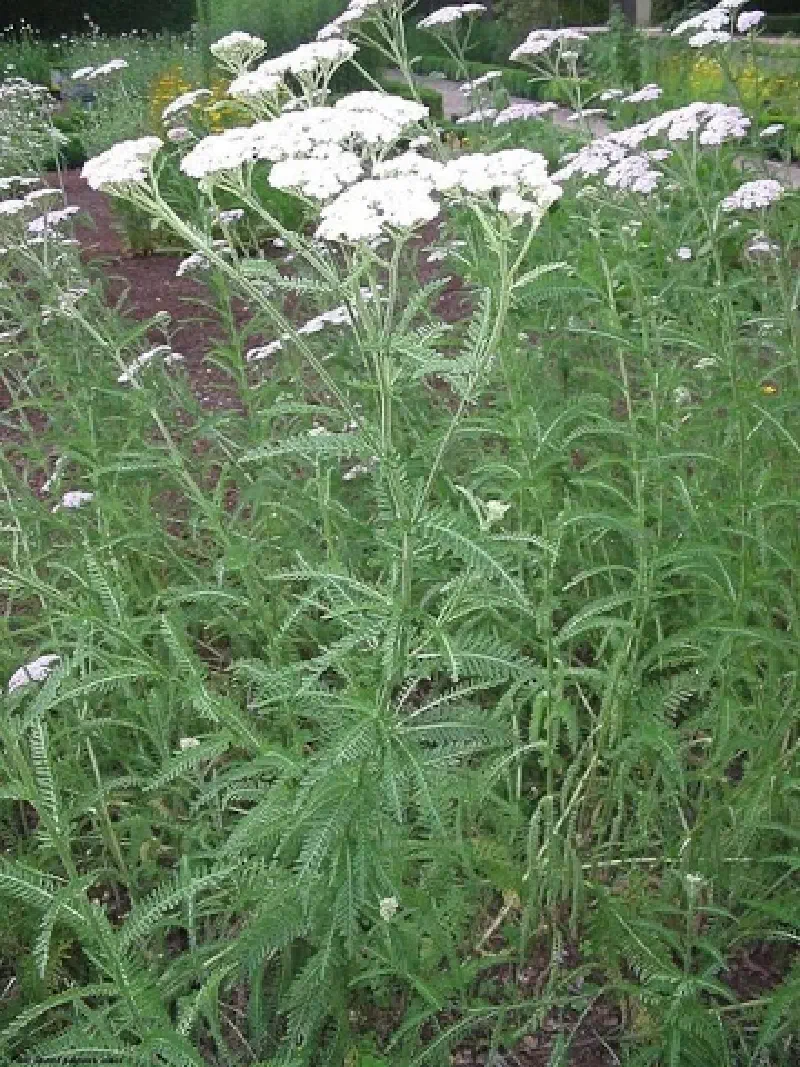
The consultation process with yarrow stalks is complex, slow, and laborious, sometimes taking up to 20 or 30 minutes—which is not a bad thing in itself, because the slowness of the ritual fosters a meditative and receptive state of mind, necessary for interpreting the oracle’s response. From the Han dynasty onward, and gaining popularity during the Southern Song dynasty (1127–1279 CE), the three-coin method began to be used, making the consultation of the Book of Changes more accessible and simpler.
The spread of the I Ching in the West, thanks to translations such as Richard Wilhelm’s, led to the standardization of the coin method. Even today, it is common when buying a copy of the I Ching to find three Chinese coins with a square hole in the centre included. In this article we will discuss the consultation method using three coins.
Prerequisites for Consulting the I Ching#
To consult the I Ching with this method, you need three identical coins. They do not have to be the traditional Chinese coins mentioned above. They do not need to be any special type; the important thing is that they are identical. Clean these three coins and keep them in a safe place. Only you should handle them when consulting the I Ching.
Before tossing the coins, it is important to meditate well on the question and to create a void, or wújíThis is the original, unlimited and undifferentiated state of the universe in Chinese philosophy. It represents the primordial void or the absence of polarity that exists before the appearance of movement, duality (Yin and Yang) and the manifestation of all things. It is described as a state of absolute calm, stillness and infinite potential, often symbolized by an empty circle., if you will, to allow the oracle to speak to you. Maintaining calm throughout the ritual and focused attention on your question is essential.
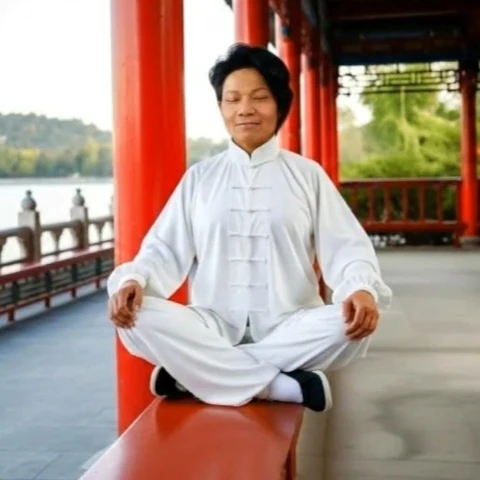
Consulting the I Ching requires a special attitude and mental disposition. It also requires meditation on the question in order to formulate it more precisely. We discuss this in another article.
How to Obtain the Six Lines of the Hexagram?#
Let us now talk about how we obtain the six lines of a hexagram from six tosses of three coins. Let us first clarify that we assign a value of 3 to the head (or “face”) of a coin Ⓗ, and a value of 2 to the tail (or “seal”) Ⓣ. In the numerology of the Yi Jing, odd numbers are Yang, and even numbers are Yin.
When you toss three coins and add the three numerical values, there are four possible results: 6, 7, 8, or 9.
If you get three tails, their numerical sum is 6. Six is an even number, so it is a Yin line that changes to Yang, and is denoted as follows:
6 ━━━x━━━
If you get two tails and one head, the sum is 7, an odd number. It is therefore a Yang line, written as a single solid line:
7 ━━━━━━━
If you get one tail and two heads, the total is 8 – an even number – and therefore a Yin line, written as a broken line:
8 ━━╸ ╺━━
Finally, if all three coins show heads, the total is 9. Nine is odd, so we have a Yang line that changes to Yin, written as follows:
9 ━━━o━━━
Now let us explain the consultation process. You need a space with a table where you can sit quietly and toss the coins without being disturbed. You will also need paper and a pencil. And of course, the three coins.
Assuming you have already formulated your question to the I Ching, write it down on paper. Writing the question helps you clarify your thoughts, so you will be better prepared to receive the oracle’s answer. Keeping a kind of I Ching journal where you note all your consultations – with questions and the oracle’s responses – is not a bad idea.
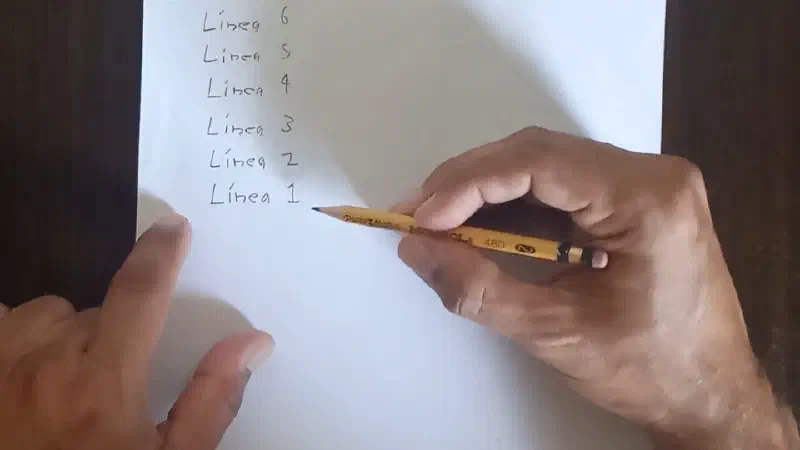
The consultation process consists of tossing the three coins six times, which gives us the numerical value for each of the six lines of the hexagram, as we have just seen. On the paper, we list six rows for the six lines, starting with line 1 at the bottom and ending with line 6 at the top.
Simulated Coin Toss to Obtain a Resulting Hexagram#
In what follows, we will carry out a simulated consultation as an example. We begin by tossing the three coins to obtain line 1 (the bottom line), and repeat this process five more times to get the other lines.
The first toss of three coins gives us line 1. Here we got two tails and one head, so its value is 7 – a Yang line. We note the value of 7 and its graphic representation next to line 1.
The second toss gives us line 2. Here we got three heads. That gives a value of 9, which corresponds to a Yang line that changes to Yin. We write this next to line 2.
In this way, we toss the three coins successively to obtain line 3, line 4, line 5, and finally line 6. The table below summarises the entire result:
| Line | Coin toss result | Resulting line |
|---|---|---|
| 6 | Ⓣ+Ⓣ+Ⓗ | 7 ━━━━━━━ |
| 5 | Ⓗ+Ⓗ+Ⓣ | 8 ━━╸ ╺━━ |
| 4 | Ⓗ+Ⓗ+Ⓗ | 9 ━━━o━━━ |
| 3 | Ⓣ+Ⓣ+Ⓗ | 7 ━━━━━━━ |
| 2 | Ⓗ+Ⓗ+Ⓗ | 9 ━━━o━━━ |
| 1 | Ⓣ+Ⓣ+Ⓗ | 7 ━━━━━━━ |
This is the result of our consultation, but it is not yet intelligible to us. What are we supposed to do with the values of the six lines?
The first thing we need to do is to extract the resulting hexagram (third column). The resulting hexagram describes the manifest situation that presents itself regarding the question we asked. For the resulting hexagram, 7 and 9 are Yang, and 8 and 6 are Yin; we simply replace a 7 or a 9 with a solid line: ━━━━━━━, and an 8 or a 6 with a Yin line: ━━╸ ╺━━.
If there are changing lines (6 or 9), we obtain a second hexagram, called the derived hexagram, which shows how the situation might evolve in the future. If there are no moving lines, the hexagram obtained is said to be a static hexagram, and in that case the situation is not changing, and the general judgement of the I Ching on the obtained hexagram offers sufficient clarification.
But in our example, lines 2 and 4 are nines – those two moving lines give us a derived hexagram. We replace the 6 ━━━x━━━ with Yang (━━━━━━━) and the 9 ━━━o━━━ with Yin (━━╸ ╺━━). Altogether, we have the result as in the following table:
| Line | Resulting line | Resulting hexagram | Derived hexagram |
|---|---|---|---|
| 6 | 7 ━━━━━━━ | ━━━━━━━ | ━━━━━━━ |
| 5 | 8 ━━╸ ╺━━ | ━━╸ ╺━━ | ━━╸ ╺━━ |
| 4 | 9 ━━━o━━━ | ━━━━━━━ | ━━╸ ╺━━ |
| 3 | 7 ━━━━━━━ | ━━━━━━━ | ━━━━━━━ |
| 2 | 9 ━━━o━━━ | ━━━━━━━ | ━━╸ ╺━━ |
| 1 | 7 ━━━━━━━ | ━━━━━━━ | ━━━━━━━ |
Locating the Resulting and Derived Hexagrams in a Table#
For each hexagram, we look at its lower trigram (lines 1–3) and its upper trigram (lines 4–6). The resulting hexagram has ☰ Heaven as the lower trigram and ☲ Fire as the upper trigram. Using our reference table, we find that the resulting hexagram is No. 14 – Great Possession / Dà Yǒu / 大有.
Similarly, the derived hexagram has ☲ Fire as the lower trigram and ☶ Mountain as the upper trigram. According to the same hexagram location table, the derived hexagram is No. 22 – Grace / Bì / 贲.
What Comes Next?#
The purpose of this article is to familiarise the reader with the mechanical process of the consultation: how to toss the coins to obtain the six lines that give us the oracle’s answer to our question. That answer consists of a resulting hexagram, and if there are moving lines, we also have a derived hexagram. We have also seen how to locate (identify) those hexagrams in a hexagram location table.
This is the mechanical part of the consultation process. There are other aspects that we will discuss in another article:
- How should the question be formulated?
- Is there any special ritual to be followed when consulting the I Ching? What should our attitude be during the consultation?
- How do we interpret the resulting and derived hexagrams?
The interpretation of the hexagrams is an art that improves with experience, so in that other article we will not give an exhaustive answer to the last question either. However, as a final part of this article, we will outline some concepts and principles on how to interpret.
For each hexagram in the I Ching text, we find two components – the “Judgement” or “Decision” and the “Image”. Both components are complementary and offer different perspectives on the meaning of a hexagram.
While the Judgement offers a direct and conceptual interpretation of the situation, the Image provides a symbolic and poetic representation that enriches understanding and helps apply the advice in concrete contexts.
There is another component that provides information for interpreting the hexagrams – the moving lines. If we get a value of 6 or 9 for any line, we have what are called moving lines – Yin lines changing to Yang or Yang lines changing to Yin. In the I Ching text for each hexagram, the moving lines give specific advice for our question.
If there are moving lines, we have a second hexagram, which shows how the situation might evolve in the future. We call this second hexagram the future hexagram. It is obtained from the line values according to the coin tosses, where sixes are changed to Yang (seven) and nines to Yin (eight). Once again, we identify this new hexagram in the table and read its Judgement and Image.
The texts containing the Judgement, Image, and moving lines for each hexagram can be found on our site by following the links in any of the hexagram reference tables.
Conclusion and Invitation to Experiment#
This has been only the first step in the vast art of consulting and interpreting the I Ching. Each hexagram contains multiple layers of meaning and connections to discover. True learning begins with your own experience, so I invite you to experiment and begin your personal dialogue with the wisdom of the I Ching.
Complement the reading with the video:#
If you prefer to deepen these concepts visually and hear a detailed analysis, I invite you to watch the full lesson on my channel: